
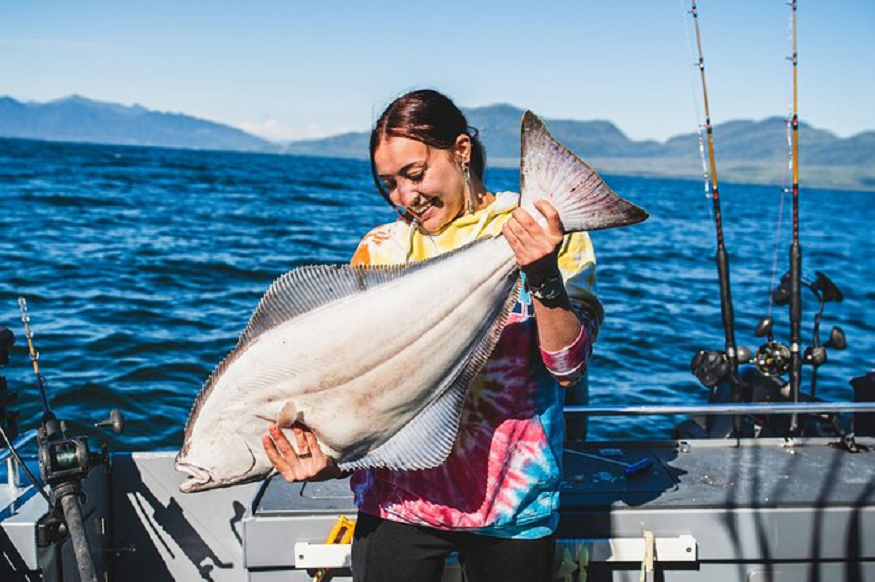
Stepping onto the deck of a vessel as the mist clears over the water is a moment that draws many people to the northern latitudes. For those planning a trip centered on halibut fishing in Alaska, the experience involves much more than simply casting a line. It requires a thoughtful approach to timing, preparation, and selecting the right kind of support to ensure the trip is both rewarding and safe.
The Challenges of Planning a Remote Coastal Trip
One of the most common difficulties in organizing an adventure in this region is the logistical complexity. The coastal environment is vast, and access to the most productive areas often requires specialized knowledge of tidal movements, weather patterns, and the shifting migratory behavior of local marine life. It is not uncommon for visitors to underestimate the impact of changing weather on their planned itinerary.
Getting it right involves recognizing that success often depends on conditions beyond human control. A flexible mindset is perhaps the most important tool a traveler can carry. When you are looking for gulf coast expeditions in Alaska, the best outcomes typically follow when a clear plan is balanced with the ability to pivot when the wind or tide dictates a change in strategy.
How the Fishing Experience Generally Works
The mechanics of targeting these large flatfish rely on a combination of local expertise and the right equipment. These fish are generally found in deeper, cooler waters, often near underwater structures, shelves, or drop-offs that provide both shelter and food sources.
A typical day usually begins well before sunrise. The process generally starts with the journey to the fishing grounds, which can take several hours depending on the distance from the harbor. Once on-site, the crew uses specialized gear—typically heavy-duty rods, high-capacity reels, and substantial weights—to reach the bottom where these fish reside. The technique itself is often a matter of patience and precise positioning, as the boat must be kept steady over a specific spot while the tide moves through the area.
Key Factors That Shape Your Time on the Water
Several variables influence the quality of a fishing excursion. While skill plays a role, the following elements are often more significant in determining the overall character of the trip:
- Regional Timing: Marine activity fluctuates throughout the season. Understanding the general trends—such as when the weather is typically more stable or when seasonal migration patterns are most active—can help align expectations with reality.
- Vessel Capabilities: The boat serves as your home base for the duration of the trip. A vessel equipped with reliable navigation technology, adequate safety gear, and comfortable facilities allows for longer days on the water, which often increases the chances of finding the right conditions.
- The Depth of Local Knowledge: The difference between a memorable day and a quiet one often comes down to the captain’s understanding of the local bathymetry. Knowledge of hidden reefs, current breaks, and historical movement patterns allows for more targeted effort rather than relying on guesswork.
- Gear Compatibility: Using tackle that is properly maintained and suited to the specific environment ensures that you are ready when a significant opportunity arises. Substandard gear can lead to equipment failure at the exact moment it is needed most.
Practical Ways to Approach Your Expedition
When you are preparing for a trip focused on halibut fishing in Alaska, the process should be treated as a partnership with the experts you hire. Start by asking how a potential provider manages their scheduling. Do they prioritize safety during periods of rough water? How do they communicate changes in plans due to weather?
A productive approach includes being transparent about your own experience level. If you are new to this style of fishing, communicate that early. This allows the crew to provide the necessary guidance on technique, safety procedures, and what to expect when a fish is hooked. A professional provider will always prioritize teaching you the right habits, as this keeps everyone on deck safer and increases the likelihood of a successful catch.
Preparing for the Environment
Beyond the fishing gear, the environment itself demands preparation. Dressing in layers, protecting against moisture, and ensuring you have appropriate footwear for a slick deck are small details that make a large difference in your comfort. Because temperatures can drop quickly even in the middle of a clear day, having gear that adapts to changing conditions will help you stay focused on the activity rather than the cold.
Furthermore, consider the logistical side of what happens after the fish is brought on board. Reliable providers have established, professional methods for handling, cleaning, and storing the catch. Before finalizing your plans, ask about their procedures for processing fish. Understanding how your catch will be handled and prepared for transport is a key part of the overall experience.
Building a Strategy for Future Trips
If you are currently researching options for gulf coast expeditions in Alaska, focus your search on providers who emphasize long-term sustainability and safety. The best operators are those who are willing to discuss their approach to conservation and their adherence to local guidance.
Instead of looking for a service that guarantees a specific weight or quantity—which is rarely possible given the nature of the ocean—look for one that guarantees a high standard of professional conduct, safety, and effort. The most meaningful trips are those where you return with a better understanding of the ecosystem and the skills required to navigate it.
Read More: All-Ages Entertainment: How Holiday Inn Krabi Became the Leading Ao Nang Resort for Every Age
When you are ready to move forward, select a provider that offers clear, direct communication about the scope of their services. Ask about the size of their groups, the areas they typically frequent, and the steps they take to keep the experience personal and attentive. Taking the time to build this relationship before you ever leave the dock ensures that when you finally arrive in the north, you can spend your time enjoying the horizon rather than worrying about the logistics. Finding the right fit is the first step toward a well-planned, rewarding day on the water.