
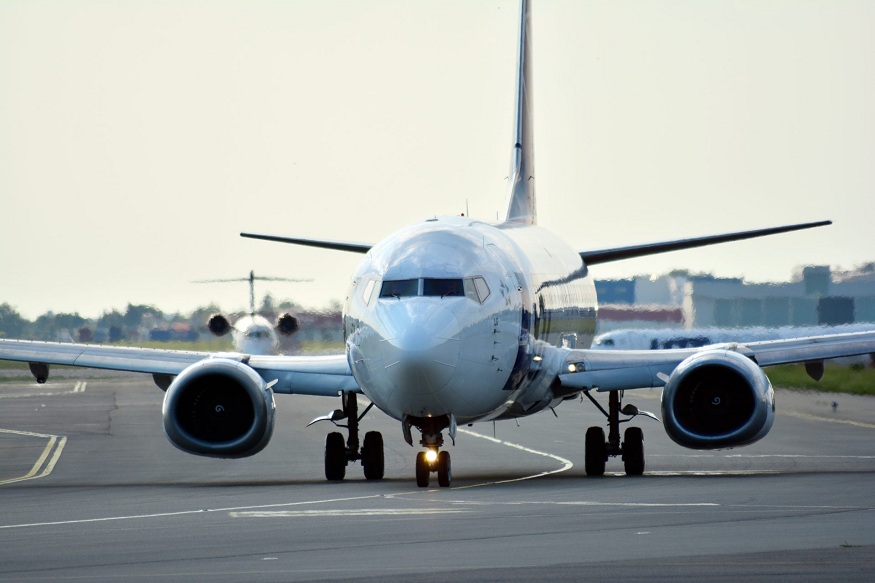
For many aspiring airline pilots, the journey from obtaining a commercial license to sitting in the cockpit of a multi-engine jet is marked by one final, significant hurdle: the type rating. A B737NG Type Rating is a technical certification issued by a national aviation authority that allows a pilot to fly a specific make and model of aircraft that exceeds a certain weight or complexity, such as a Boeing 737 or an Airbus A320. Unlike the general flight training of early career stages, a type rating is a concentrated, immersive experience. While the physical training itself often fits into a window of a few weeks, the total time required to truly master a complex airframe involves several distinct phases of preparation and evaluation.
The Foundation of Ground School and Systems Training
The type rating process typically begins with a rigorous ground school phase. This period is dedicated to learning the intricate systems of the specific aircraft, including its electrical, hydraulic, pneumatic, and fuel systems. Pilots must memorize hundreds of pages of technical data, performance charts, and emergency procedures. In a standard full-time program, ground school usually lasts between one and two weeks.
During this time, instructors utilize computer-based training and cockpit procedure trainers to help pilots familiarize themselves with the flight deck layout. The goal is to develop a mental map of where every switch and display is located so that reactions become instinctive. While the scheduled classroom time might be fixed, the actual time a pilot spends studying outside of class can vary significantly based on their previous experience with similar aircraft. For a pilot moving from a small turboprop to a large jet, this initial learning curve is often the most time-consuming part of the process.
Mastering the Machine in the Simulator
Once the systems knowledge is solidified, the training moves into the Full Flight Simulator. This is where the most critical phase of the type rating occurs. Modern Level D simulators are incredibly sophisticated, recreating the motion, visuals, and tactile feedback of the real aircraft with pinpoint accuracy. The simulator phase typically consists of eight to twelve sessions, each lasting approximately four hours, plus extensive pre-flight briefings and post-flight debriefings.
During these sessions, pilots are not just learning how to fly the plane in perfect weather; they are training for every conceivable disaster. They practice engine failures on takeoff, hydraulic leaks, electrical fires, and low-visibility approaches. Because the simulator can be used twenty-four hours a day, these sessions are often scheduled at odd hours to maximize efficiency. This phase usually spans another two weeks. By the end of this period, the pilot is expected to handle the aircraft with the precision required by the regulatory check-ride standards.
The Practical Evaluation and the Check-Ride
The culmination of the type rating is the practical test, often referred to as the check-ride. This is a high-pressure session where an examiner from the aviation authority or an authorized company check-pilot evaluates the candidate’s performance in the simulator. The examiner looks for technical proficiency, situational awareness, and the ability to work effectively as part of a crew.
The check-ride itself takes only a single day, usually lasting between four and six hours. However, the scheduling for this final evaluation can sometimes add a few days of waiting time to the overall process, depending on the availability of the examiner and the simulator. Passing this test officially grants the pilot the privilege to fly that specific aircraft, but the journey does not end with the certificate in hand.
Conclusion
In summary, the intensive portion of a type rating usually takes between twenty-one and thirty-five days of full-time, dedicated effort. When you include the initial operating experience required by airlines to fly in commercial service, the total timeline from the first day of ground school to being a fully operational line pilot is closer to two months. It is a demanding, high-stakes environment that tests a pilot’s intellect, reflexes, and professional discipline. While the time frame is relatively short compared to the years spent earning a commercial license, the depth of knowledge acquired during those few weeks is what ensures the safety and efficiency of the global aviation system. Mastery of a complex aircraft is a marathon of preparation followed by a sprint of execution, resulting in one of the most respected credentials in the professional world.