
If you’ve ever scrolled through photos of the Himalayas at 2 a.m. and thought “I need to do this,” you’re not alone. Every year, thousands of travelers start planning an Everest trekking in Nepal adventure, only to hit the same wall: there isn’t just one trek to choose from. There’s the Everest Base Camp Trek, the shorter Everest View Trek, the brutal but beautiful Three Pass Trek, and the often-overlooked Gokyo Ri Trek.
So which one actually fits your time off, your fitness level, and your budget? That’s exactly what we’re untangling here. Some of these routes are perfect for a first-timer who just wants to see Everest up close without wrecking their knees. Others are built for trekkers who’ve already done a few high-altitude trips and want a real challenge. This guide walks through all four routes side by side, so by the end you’ll know exactly which trail deserves a spot on your calendar.
Why the Everest Region Remains Nepal’s Most Famous Trekking Destination
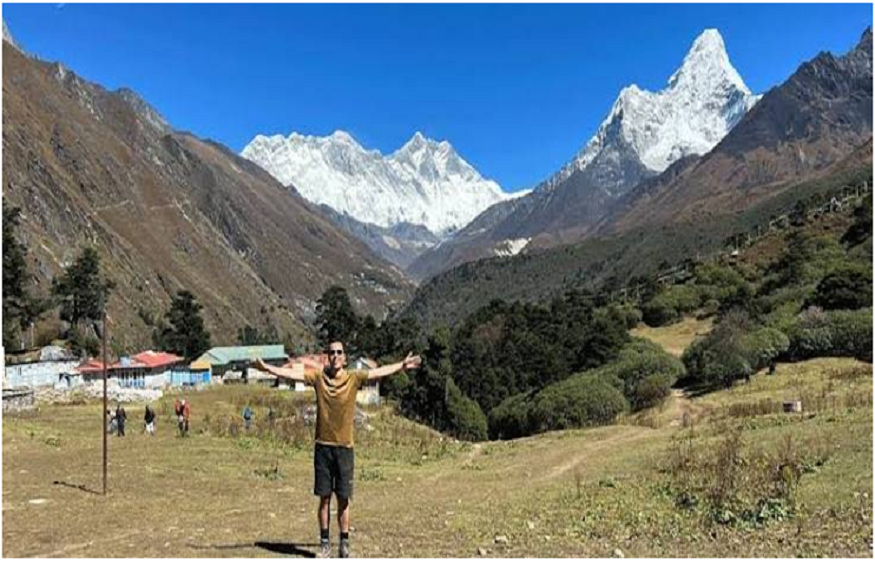
There’s a reason the Khumbu keeps pulling people back, even trekkers who’ve already “done” Everest once. It’s not just the mountain itself — although, yes, standing anywhere near the world’s tallest peak does something to you. It’s the whole package. You’ve got jaw-dropping Himalayan scenery around every bend, prayer flags strung across swinging suspension bridges, and Sherpa villages that feel like they’ve barely changed in decades.
Read More : White Marble Island: How Paros Became the New Capital of Conscious Premium Recreation
Walk through the region and you’ll pass centuries-old Buddhist monasteries, yak caravans loaded with supplies, and glacial rivers so blue they look edited. The whole area sits inside Sagarmatha National Park, a protected zone that’s also home to snow leopards, Himalayan tahr, and the occasional lammergeier circling overhead. Whether you end up on the Everest Base Camp Trek, the gentler Everest View Trek, or venture further toward Gokyo Ri, you’re tapping into the same magic — just from different angles.
Everest Base Camp Trek – Nepal’s Classic Himalayan Journey
What Makes the Everest Base Camp Trek So Special?
The classic route takes you from Lukla through Namche Bazaar, the bustling Sherpa trading hub that acts as the gateway to the high Khumbu. From there you’ll wind through Tengboche, with its famous monastery and the kind of Everest views that stop conversations mid-sentence, then push on through Dingboche and Lobuche as the air gets thinner and the villages get sparser.
The trail eventually reaches Gorak Shep, the last settlement before the finish line, and from here trekkers make the final push to Everest Base Camp itself — a windswept, boulder-strewn plateau beneath the Khumbu Icefall. Most people also add on the early-morning climb to Kala Patthar, which honestly offers a better direct view of Everest’s summit than base camp does. Watching the sunrise hit the peak from up there is the kind of moment that makes the sore legs worth it.
Who Should Choose This Trek?
This route suits a wide range of people, which is part of why it’s so popular. Beginners can absolutely handle it with the right preparation — decent cardio fitness, a sensible acclimatization schedule, and a bit of mental grit for the cold mornings. It’s also a favorite for genuine adventure seekers who want that bucket-list feeling without needing technical climbing skills. If this is your first time in the Everest region, or you’re a photographer chasing that iconic base camp shot, this is likely your trek.
Everest View Trek – Perfect for Travelers with Limited Time
Highlights of the Everest View Trek
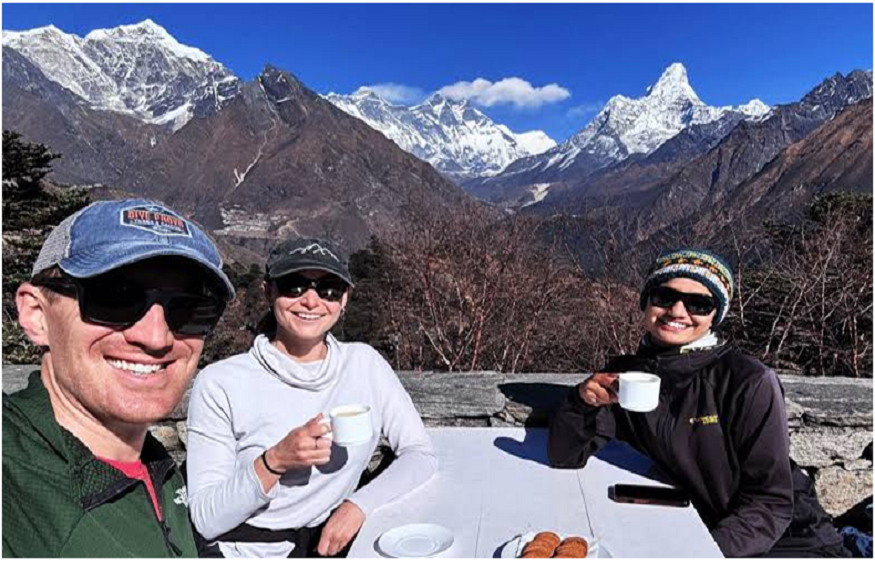
Not everyone has two weeks to spare, and that’s exactly where the Everest View Trek comes in. This shorter itinerary usually wraps up in five to eight days, making it one of the most efficient ways to see the Himalayas without taking a huge chunk out of your annual leave. The trail still takes you into Namche Bazaar and still gives you those wide-open mountain panoramas, but skips the grinding high-altitude push toward base camp.
A lot of trekkers head up to Hotel Everest View, which sits at a viewpoint offering one of the most complete panoramic vistas of Everest, Lhotse, and Ama Dablam anywhere in the region.
Why Families and Beginners Love This Route
Because the trek stays at a lower altitude and moves at a gentler pace, it’s genuinely less demanding than the other three options on this list. Families with older kids, first-time trekkers, or anyone short on holiday time tend to gravitate toward the Everest View Trek because it delivers a real taste of the Himalayas without the exhaustion. It’s a fantastic introduction to Everest trekking, and honestly, plenty of people come back a year or two later ready to tackle something bigger.
Three Pass Trek – The Ultimate Everest Challenge
What Is the Three Pass Trek?
If the Everest Base Camp Trek is the classic route, the Three Pass Trek is the advanced course. This trek links together three demanding high-altitude crossings — Kongma La Pass, Cho La Pass, and Renjo La Pass — stitching them into one long, spectacular loop through the Khumbu. Along the way, you’ll still hit Everest Base Camp and climb Kala Patthar, but you’ll also detour toward the turquoise Gokyo Lakes and add days of genuinely tough mountain travel that most standard itineraries skip entirely.
This one isn’t for a casual first attempt at Himalayan trekking. You’ll want solid fitness, ideally some previous high-altitude trekking experience, and a real understanding of what altitude sickness feels like and how to respond to it. The passes themselves can involve icy, exposed sections, especially early in the morning, and the itinerary typically runs 17 to 21 days. It’s a serious commitment. But the reward is proportional — fewer crowds, wilder scenery, and the kind of sense of achievement that a standard trek just can’t match.
Gokyo Ri Trek – A Different Side of Everest
Why Many Experienced Trekkers Prefer Gokyo Ri
While everyone else is funneling toward base camp, the Gokyo Ri Trek quietly heads west into a valley that feels noticeably calmer. The trail follows the Gokyo Lakes, a string of glacial lakes so intensely turquoise they almost look artificial, and skirts alongside the Ngozumpa Glacier, the largest glacier in Nepal. The trails here see far fewer crowds than the main base camp route, which makes for a more peaceful, meditative kind of trekking experience.
What You’ll See from Gokyo Ri
The climb up Gokyo Ri is steep but short, and the payoff at sunrise is hard to overstate. From the summit you get a genuinely rare wide-angle view that includes Mount Everest, Lhotse, Makalu, and Cho Oyu all in the same frame — four of the world’s fourteen 8,000-meter peaks, visible without turning your head. For photographers and anyone chasing a quieter, more scenic side of the Himalayas, this trek delivers something the busier routes simply can’t.
Comparing the Four Everest Treks
| Trek | Difficulty | Duration | Best For | Main Highlights |
| Everest Base Camp Trek | Moderate | 12–14 Days | First Everest Adventure | Base Camp, Kala Patthar |
| Everest View Trek | Easy | 5–8 Days | Families & Beginners | Hotel Everest View |
| Three Pass Trek | Challenging | 17–21 Days | Experienced Trekkers | Three High Passes |
| Gokyo Ri Trek | Moderate | 12–15 Days | Scenic Photography | Gokyo Lakes |
Best Time to Trek in the Everest Region
Timing genuinely changes the whole experience, so it’s worth planning around it. Spring, roughly March to May, brings blooming rhododendrons along the lower trails and generally stable weather, which is why it’s considered peak season for the Everest Base Camp Trek, the Gokyo Ri Trek, and the Three Pass Trek alike.
Autumn, from late September through November, is the other favorite window — crystal-clear mountain views and comfortable daytime temperatures make it arguably the most reliable season of all. Winter trekking is possible too, and it has its own appeal: quiet trails, snow-covered landscapes, and a stillness you won’t find during peak months, though the cold at higher elevations can be brutal. Monsoon season, June through early September, is best avoided if you can help it — expect rain, muddy trails, and a real risk of flight delays and limited visibility around Lukla.
Difficulty Level and Fitness Expectations
Every one of these treks demands a different level of preparation. Walking hours can range from three or four hours a day on the Everest View Trek to seven or eight hours on tougher Three Pass Trek days. Daily elevation gain matters just as much as distance — your legs might handle the climb fine, but your body still needs time to adjust to thinner air.
Acclimatization days aren’t optional extras; they’re built into every sensible itinerary for a reason, and skipping them is how people end up turning back early. Mental preparation counts too — long uphill slogs in the cold test patience as much as fitness. In rough order of physical demand, it goes: Everest View Trek (easiest), then Everest Base Camp Trek, then Gokyo Ri Trek, with the Three Pass Trek sitting clearly at the top as the toughest of the four.
Accommodation, Food and Local Experience
Nights on all four treks are spent in tea houses — simple mountain lodges run by local families, usually with a shared dining room warmed by a yak-dung stove. Meals lean heavily on dal bhat, the classic Nepali plate of lentils, rice, and vegetables, and for good reason: it’s filling, it’s usually available for refills, and it fuels long trekking days well.
Sherpa hospitality is honestly one of the best parts of the whole trip — warm welcomes, hot tea appearing before you’ve even asked, and genuine curiosity about where you’re from. Don’t expect luxury, though. Wifi and charging usually cost a small fee the higher you go, and drinking water should always be treated or purified rather than taken straight from taps or streams.
Permits Required for Everest Trekking
Before you set foot on any of these trails, you’ll need a couple of permits sorted. The Sagarmatha National Park Permit covers entry into the protected area itself, while the Khumbu Pasang Lhamu Rural Municipality Permit is a local fee that replaced the older TIMS card system for this specific region. Rules and prices around Everest trekking permits do shift occasionally, so it’s worth double-checking current requirements with a local agency or the park office shortly before you fly out.
Useful Packing Tips Before Starting Your Trek
You don’t need to pack your entire wardrobe, but a few items genuinely make or break the trip. Proper trekking boots that are already broken in are non-negotiable, paired with a warm down jacket for the freezing mornings and evenings at altitude. Trekking poles save your knees on the endless stone staircases, and a good sleeping bag rated for sub-zero temperatures is essential once you’re above Namche.
Bring a water purification method rather than relying on bottled water, along with gloves, sunglasses rated for high-altitude UV, and something waterproof for the unpredictable afternoon weather. Layered clothing beats one heavy jacket every time, since temperatures can swing wildly between a sunny midday and a bitter evening at the same lodge.
Choosing the Right Everest Trek for Your Travel Style
If you want the classic, full Himalayan experience with a real crack at reaching base camp, go with the Everest Base Camp Trek. If you’ve only got a week free but still want that Everest moment, the Everest View Trek will get you there without burning through your entire vacation. If remote, quieter mountain scenery and standout photography are what you’re after, point yourself toward the Gokyo Ri Trek. And if you’re chasing the biggest challenge the region can offer, with three punishing passes and serious bragging rights at the end, the Three Pass Trek is waiting for you.
Final Thoughts
Here’s the honest truth: there’s no single “best” Everest trek. The Everest Base Camp Trek gives you the classic bucket-list moment. The Everest View Trek is perfect when time is tight but the dream isn’t any smaller. The Three Pass Trek exists for those chasing a genuine mountaineering-style challenge. And the Gokyo Ri Trek offers a quieter, arguably more scenic slice of the same range. The right choice really just comes down to your own time, fitness, and what kind of story you want to tell afterward.
Read More : Manaslu Circuit Trek Guide: Luxury Comforts, Short Routes & the Raw Himalayan Adventure You Can’t Ignore
Whichever route you pick, you’re signing up for something that stays with you long after your boots are back in the closet. So take a real look at your calendar, be honest about your fitness, and start planning — the Himalayas aren’t going anywhere, but your next window to go might close faster than you think.
Frequently Asked Questions
1. How difficult is the Everest Base Camp Trek for first-time trekkers?
It’s rated moderate, which means it’s absolutely doable for first-timers, but preparation matters. A few months of cardio training beforehand, a sensible pace with built-in acclimatization days, and awareness of altitude sickness symptoms go a long way. Most reasonably fit beginners complete it successfully without major issues.
2. Is the Everest View Trek worth it if I don’t have much time?
Yes, and it’s honestly one of the best short Himalayan trips available. In just five to eight days you still get Namche Bazaar, sweeping mountain panoramas from Hotel Everest View, and a genuine taste of Sherpa culture — all without the physical toll of a longer trek.
3. What is the difference between the Three Pass Trek and the Everest Base Camp Trek?
The Three Pass Trek is longer, harder, and includes everything the base camp route offers plus three demanding high-altitude crossings and a detour to Gokyo Lakes. It typically runs 17 to 21 days versus 12 to 14 for the standard base camp trek, and it requires stronger fitness and prior high-altitude experience.
4. Is the Gokyo Ri Trek better than Everest Base Camp?
Neither is objectively “better” — they’re just different. Base camp gives you the iconic destination and bragging rights of standing beneath Everest’s icefall. Gokyo Ri trades that for quieter trails, glacial lakes, and arguably a more complete mountain panorama from its summit. It comes down to whether you want the classic milestone or a quieter, photography-focused route.
5. What is the best season for trekking in the Everest region?
Spring and autumn are the clear favorites, offering stable weather and the clearest mountain views. Winter is a quieter, colder alternative for those who don’t mind the chill, while monsoon season is best avoided due to rain, poor visibility, and a higher chance of flight delays into Lukla.